

Trauma Therapy for Women in Garner, North Carolina & New York

Trauma isn’t defined only by what happened to you—it can also be about how that experience affected you and what stayed with you afterward. It may come from one frightening or painful event, or from experiences that happened repeatedly over time. And something doesn’t have to look dramatic from the outside to have had a lasting impact on you.
Sometimes you may not even think of what you experienced as trauma. You may have told yourself, “Other people have been through worse,” or “That was a long time ago—I should be over it by now.” But difficult experiences can shape the way you feel about yourself, the way you respond to stress, and how safe or comfortable you feel in relationships and in the world.
You don’t have to prove that what happened to you was “bad enough” to deserve support.
The goal is to help you feel safe again and move forward without the past controlling your present.

Trauma can come from many different types of experiences
Accidents or serious injuries
Witnessing violence or a frightening event
Natural disasters
Military service or combat
Workplace violence or harassment
Bullying
Growing up with addiction, instability, or conflict
Being the caregiver for someone who is seriously ill
Repeated experiences of feeling unsafe, powerless, or threatened
Childhood abuse or neglect
Physical, emotional, or sexual abuse
Domestic or intimate partner violence
Sexual assault
Difficult or controlling relationships
Betrayal or infidelity
Sudden or traumatic loss
Serious illness or medical experiences
Difficult pregnancy or childbirth experiences
Miscarriage or pregnancy loss
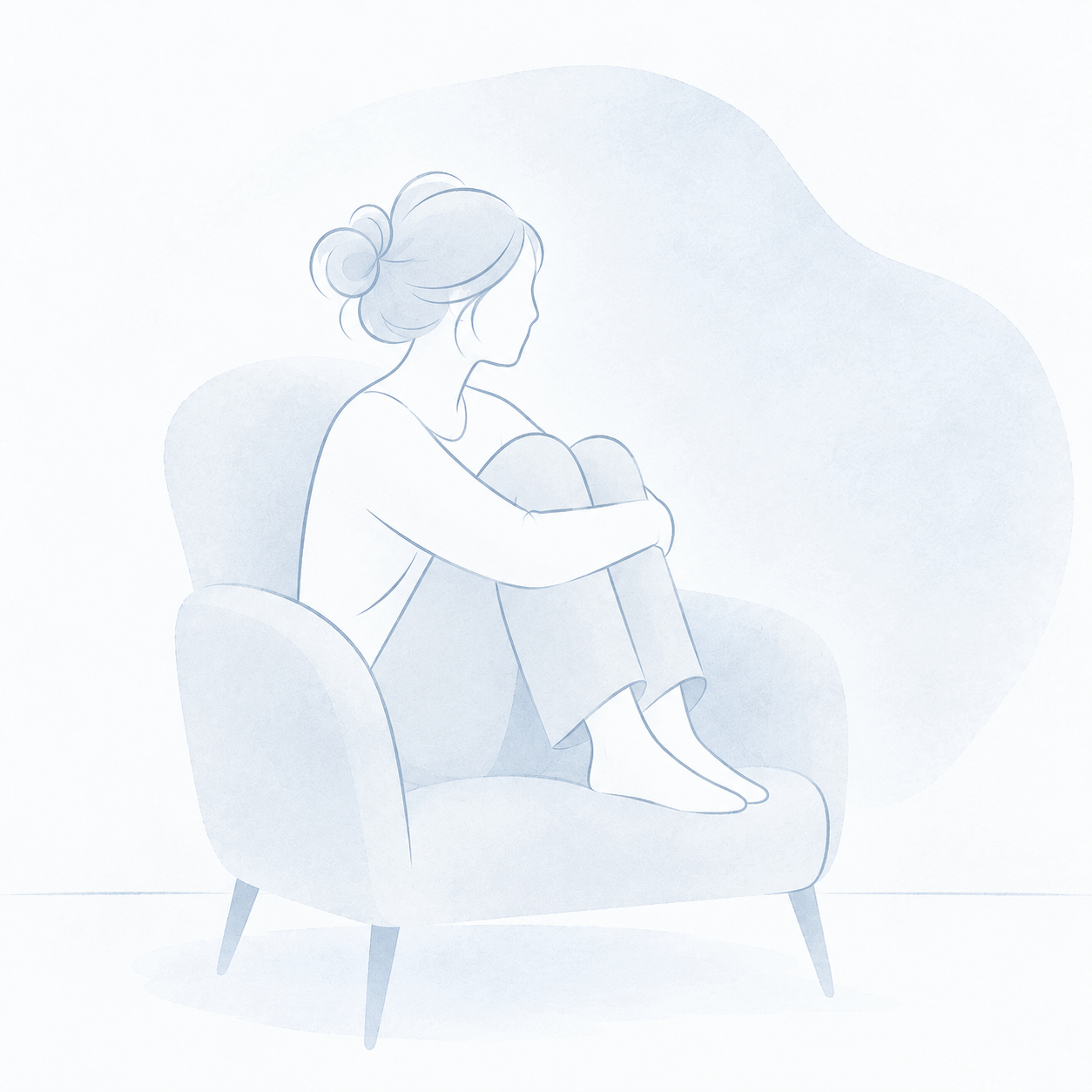
“Why can’t I just move past this?”
Trauma can stay with us long after the experience itself has ended. You may find yourself thinking about what happened when you don’t want to, avoiding certain people or situations, or feeling anxious and on edge for reasons that are hard to explain. Sleep may be difficult, emotions can feel stronger than they used to, and even small things can sometimes bring back feelings you thought you had put behind you.
Or you may keep busy and appear to be doing just fine while privately feeling disconnected, exhausted, irritable, or unlike yourself. You might have trouble trusting people, feel the need to stay in control, or pull away when relationships begin to feel too vulnerable.
One of the hardest parts can be wondering why you haven't been able to simply “move on.” Trauma isn't something we can always reason our way out of. Sometimes the mind and body continue responding as though they still need to protect us, even when the danger has passed.
Therapy can help you understand those reactions, feel safer in the present, and begin to loosen the hold the past has on your life.
Does this sound like you?
Feeling on edge, tense, or unable to fully relax
Replaying what happened in your mind, even when you don’t want to
Having upsetting memories or nightmares
Feeling easily startled or jumpy
Avoiding people, places, conversations, or situations that bring back memories
Feeling unsafe even when you know you’re safe
Trouble sleeping or staying asleep
Feeling irritable, angry, or more reactive than you used to be

Having a hard time concentrating or staying focused
Feeling emotionally numb, disconnected, or detached
Blaming yourself for things that weren’t yours to control
Feeling guilt, shame, or embarrassment about what happened
Feeling suddenly overwhelmed without always knowing why
Feeling like the past is happening all over again
Struggling to trust people or let your guard down
Finding it hard to enjoy things you once enjoyed
Having physical reactions such as a racing heart, sweating, shaking, nausea, or feeling short of breath
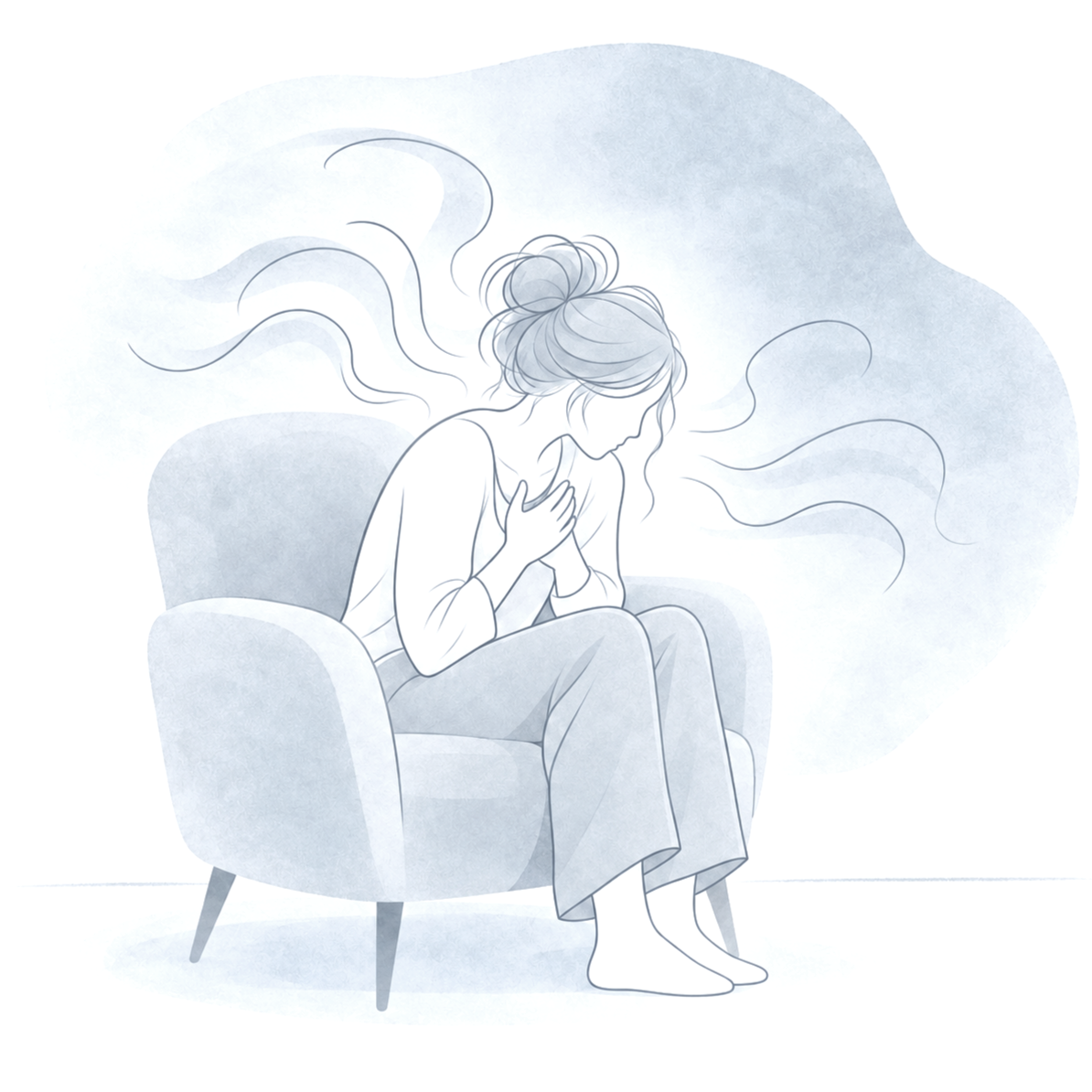
“Why do I feel unsafe even when I know I’m safe?”
After trauma, it can be difficult to feel truly safe—even when you know there is no immediate danger. You may find yourself constantly watching what is happening around you, easily startled by noises, uncomfortable in certain places, or unable to fully relax. Sometimes the feeling is harder to explain. You might simply have a sense that something is wrong or that you need to stay on guard, even when everything around you seems okay.
Trauma can teach your mind and body to be alert for danger. After something frightening, painful, or overwhelming, your nervous system may become especially sensitive to anything that reminds it of what happened. A sound, a place, someone's tone of voice, or even a feeling can bring that sense of danger rushing back—sometimes before you understand why. Over time, therapy can help you recognize these reactions, understand what is triggering them, and begin to feel safer in your life again.
Therapy can help you understand why you feel unsafe, recognize what triggers that response, and begin to feel more secure and at ease in your life.


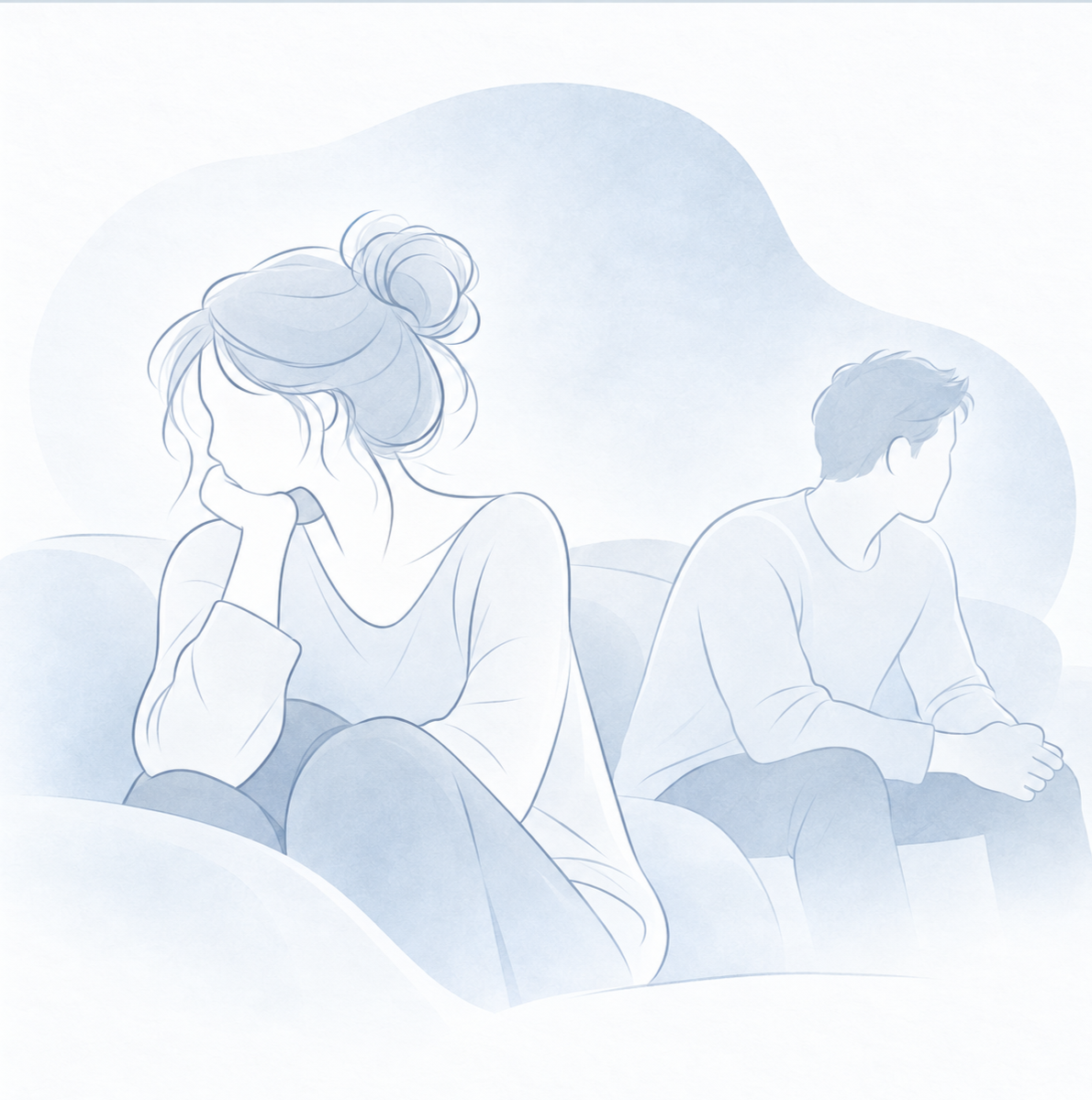
“Why do I feel so disconnected from myself and people I love?”
After trauma, relationships can sometimes feel different. You may care deeply about the people in your life and still find yourself pulling away, shutting down, or struggling to feel close to them. You might have difficulty trusting, feel uncomfortable being vulnerable, or become more sensitive to conflict or rejection. At times, it may feel easier to keep things to yourself than to explain what you’re feeling—or you may not fully understand why you feel so distant in the first place.
Trauma can change the way we experience closeness and trust. When you’ve been hurt, betrayed, frightened, or overwhelmed, protecting yourself can become almost automatic. Keeping some distance may have once helped you feel safer, but over time it can also leave you feeling lonely or disconnected from the relationships that matter to you. Therapy can help you understand these patterns, begin to feel safer with others, and gradually make room for trust and connection again.
Therapy can help you understand what makes connection feel difficult and begin to feel safer, more open, and more connected in your relationships.
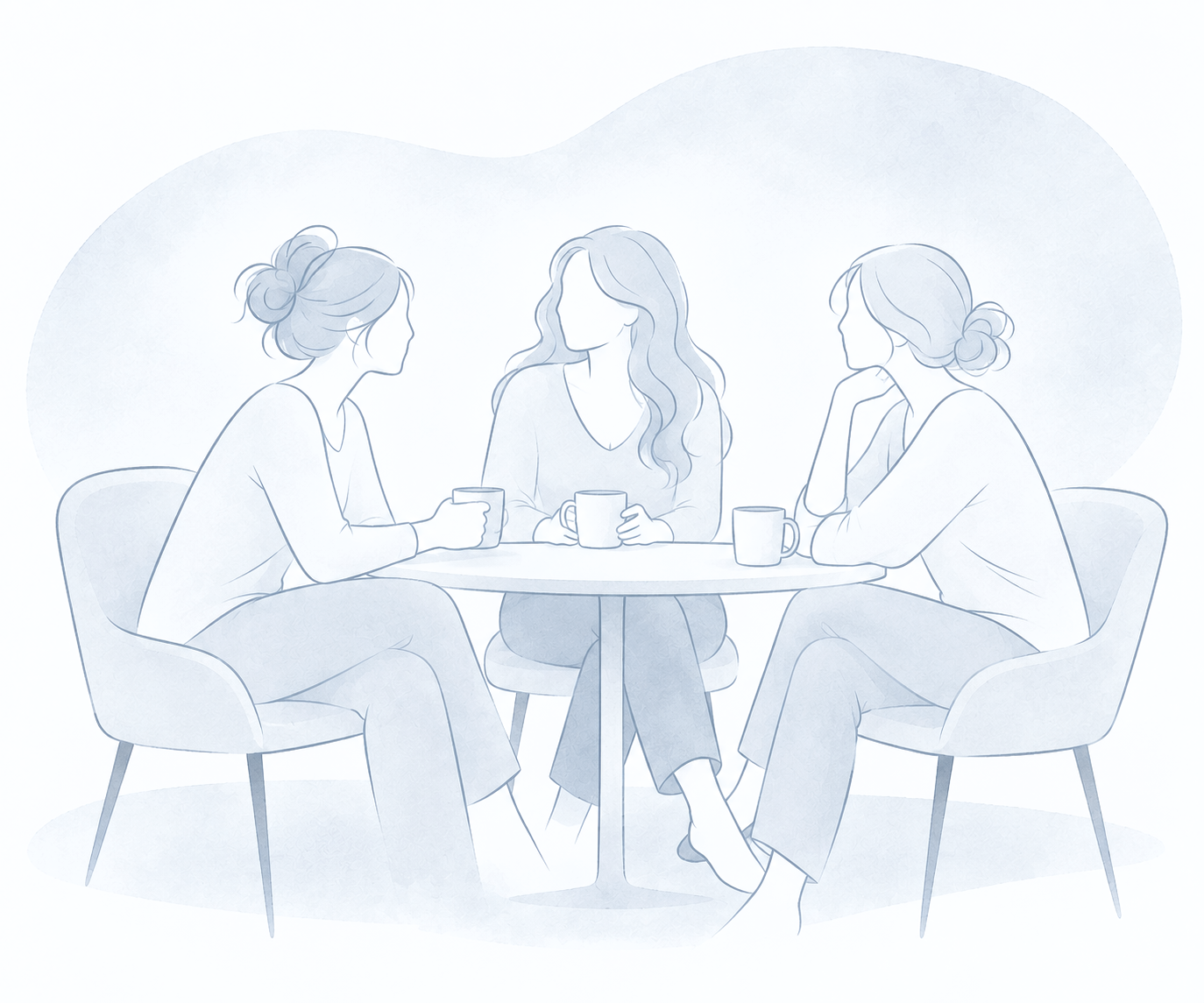
What therapy may look like for trauma…
In therapy, I will meet you where you are and take the time to understand what you’ve been through and how it may still be affecting your life today. You won’t be expected to tell your whole story before you’re ready. We’ll move at a pace that feels manageable, while helping you better understand the thoughts, emotions, and reactions that can follow difficult or painful experiences.
Together, we’ll work on ways to help you feel safer, calmer, and more in control when something brings the past back into the present. We may explore patterns that developed as a way of protecting yourself and begin to understand which ones are still helpful—and which may now be getting in your way.
Over time, our work together can help you process what happened without allowing it to define who you are.
The goal isn’t to erase the past. It’s to help you carry it differently, so there is more space for trust, confidence, and the life you want to be living.