

Therapy for Women Experiencing Depression in Garner, North Carolina

Depression can be difficult to understand because it doesn’t always look like sadness. Sometimes it develops after a loss, prolonged stress, disappointment, or a difficult season of life. Other times, there is no clear reason at all. You can have people you love, a life you’re grateful for, and things that are going well—and still find that something within you feels different.
And depression doesn’t always look the way we expect it to. You can be successful, capable, surrounded by people you love, and have a life you are genuinely grateful for - and still struggle. You may find yourself thinking, “I have so much to be thankful for. Why do I feel this way?”
Depression can be confusing. You can love your life and still feel disconnected from it. You can want to see your friends and also want to be alone. You can know how fortunate you are and still feel unhappy. You can be incredibly strong and still feel tired of being strong.
Depression can create a kind of distance between you and your life. You may still be showing up, working, caring for others, and doing what needs to be done, but it can all feel harder or less meaningful than it once did. Depression isn’t a reflection of your strength or gratitude. Sometimes it is simply part of being human—and a sign that something within you needs care, understanding, and support.
Therapy can help you reconnect with yourself and begin to feel more like you again.
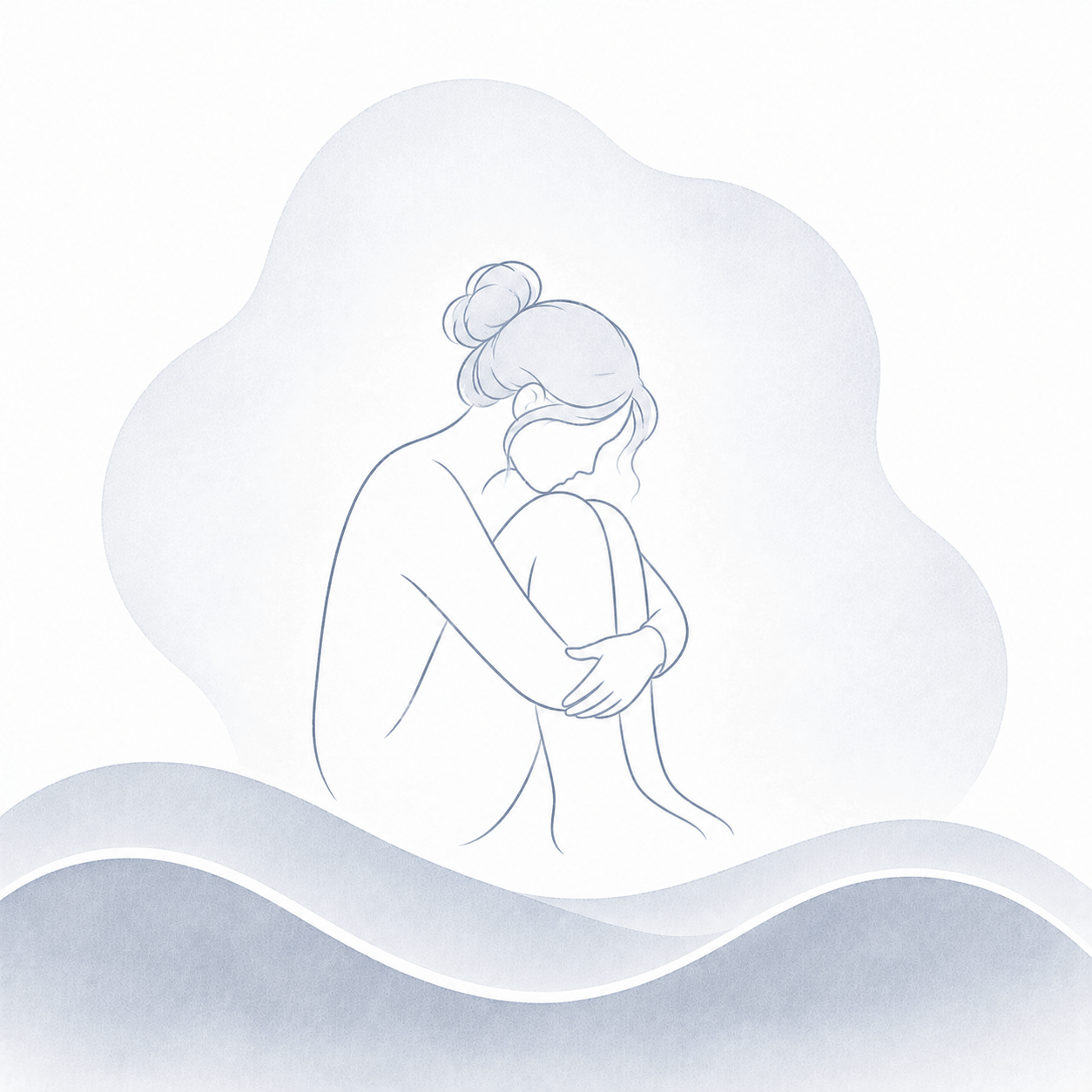
Depression can make everyday life feel harder than it used to. You may wake up tired before the day has even started, struggle to get moving, or look at things you normally handle and wonder why they suddenly feel like so much. Laundry piles up, emails wait, plans get cancelled—not because you don’t care, but because you just don’t seem to have much left in you.
You may also find yourself thinking, “I just don’t feel like me.” Maybe you used to laugh more, look forward to things, enjoy being around people, or have energy for the things you loved. Now you may feel quieter, more irritable, less interested, or simply disconnected from parts of yourself that once felt familiar.
And you may still be doing everything you’re supposed to do. You go to work, take care of your family, show up when you need to, and from the outside you may seem completely fine.
But you know how much harder it feels—and you miss feeling like yourself.
“I just don’t feel like myself anymore.”
Some things you may be experiencing…
Feeling sad, down, or empty
Not feeling like yourself
Feeling tired even after sleeping
Having little energy or motivation
Losing interest in things you usually enjoy
Wanting to stay home or be alone more
Feeling disconnected from other people
Getting irritated or frustrated more easily
Feeling overwhelmed by ordinary things
Having trouble concentrating or making decisions
Isolating or withdrawing from others

Putting things off because everything feels like too much effort
Sleeping too much or having trouble sleeping
Not taking care of yourself
Eating more or less than usual
Being harder on yourself
Feeling guilty or like you’re letting people down
Comparing yourself to others and feeling like you don’t measure up
Losing confidence in yourself
Feeling hopeless or wondering if things will ever get better
Going through the motions without really enjoying your life
Looking fine to everyone else while knowing you don’t feel fine inside.
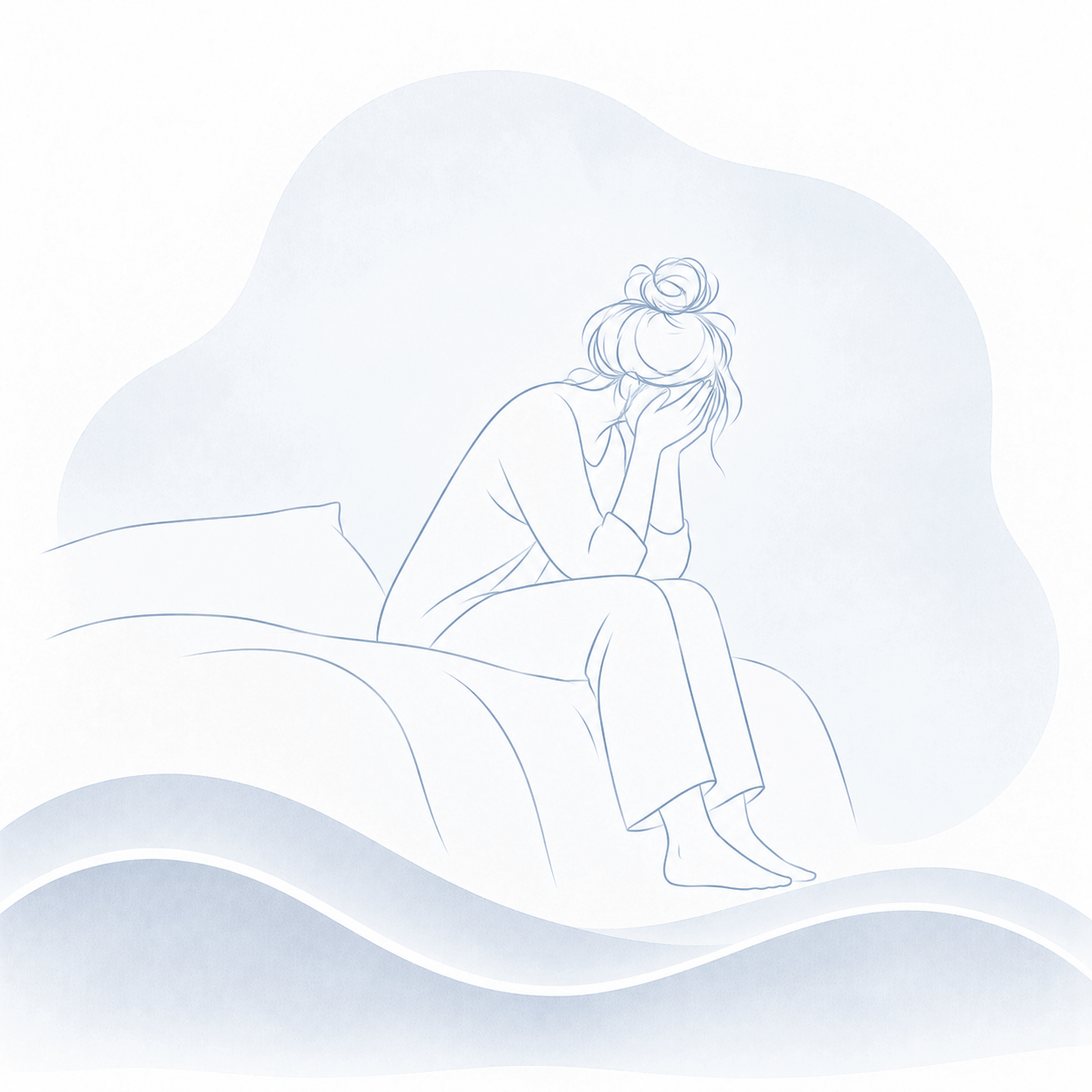
“I feel like I’m failing at everything.”
Depression can change the way you talk to yourself, too. When you’re struggling to keep up with things that once felt easy, it’s common to become frustrated with yourself. “Why can’t I just get it together?” “Everyone else seems to manage.” “I should be doing more.” Instead of recognizing that you’re having a hard time, you may begin to see it as something you’re doing wrong.
Guilt can creep in. You may feel guilty for not keeping up with your house or responsibilities, falling behind in important things like paying bills, being more irritable with your partner or children, cancelling plans, or not being the friend you think you should be. Even taking care of yourself can seem like a mountain to climb. You feel as though you’re letting yourself and everyone around you down.
Over time, that self-criticism can affect your confidence and self-esteem. You may begin questioning your abilities, comparing yourself to other people, or focusing more on what you believe you’re getting wrong than everything you’re still managing to do.
Depression has a way of making you forget your strengths and all the good in you.

What therapy may look like for depression…
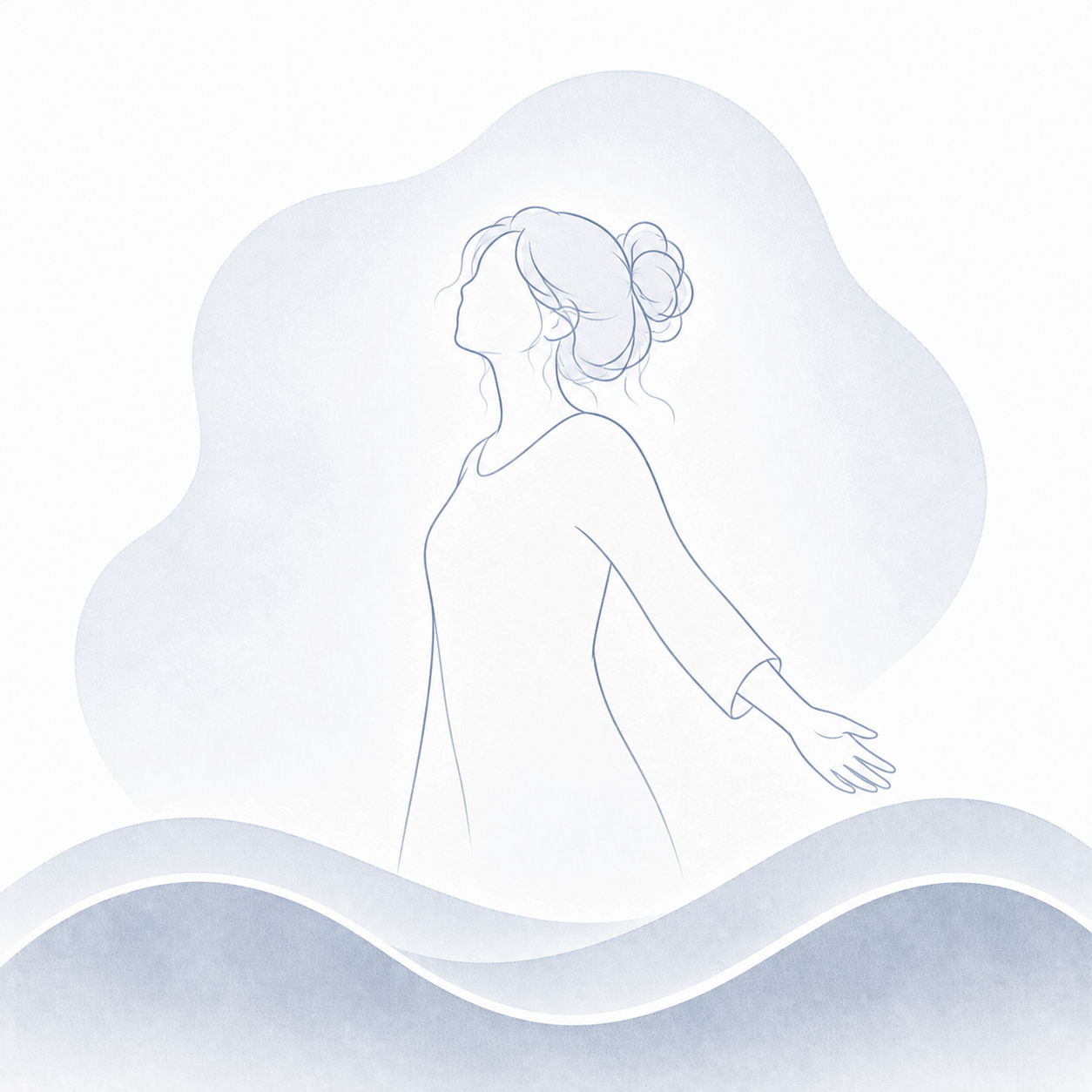
Therapy can help you reconnect with yourself and begin to feel more like you again.
Therapy for depression isn’t about telling you to think positively or try harder. It’s a place to understand what has changed, what may be weighing on you, and what is keeping you feeling stuck.
Together, we may look at patterns of withdrawal, procrastination, guilt, self-criticism, and disconnection—and how they can quietly reinforce depression. We can work on manageable ways to rebuild routines, improve motivation, reconnect with people and activities that matter to you, and address the thoughts that leave you feeling inadequate or unlike yourself.
We’ll also make room for the experiences underneath the depression—stress, loss, relationships, life transitions, or simply years of carrying too much.
The goal is not to become a different person. It’s to help you begin feeling more connected, capable, interested in life, and more like yourself again.