

Therapy for Women Navigating Grief and Loss North Carolina & New York

Grief is one of the most human experiences we have. It comes from having loved, hoped, belonged, imagined, or held something close enough that its loss changes us. We grieve people, but we also grieve relationships, possibilities, identities, places, seasons of life, and futures we thought we would have. There is no single way to grieve and no timetable for when we should be finished. Over time, grief may change shape—not because what we lost matters less, but because we slowly learn how to carry it differently.
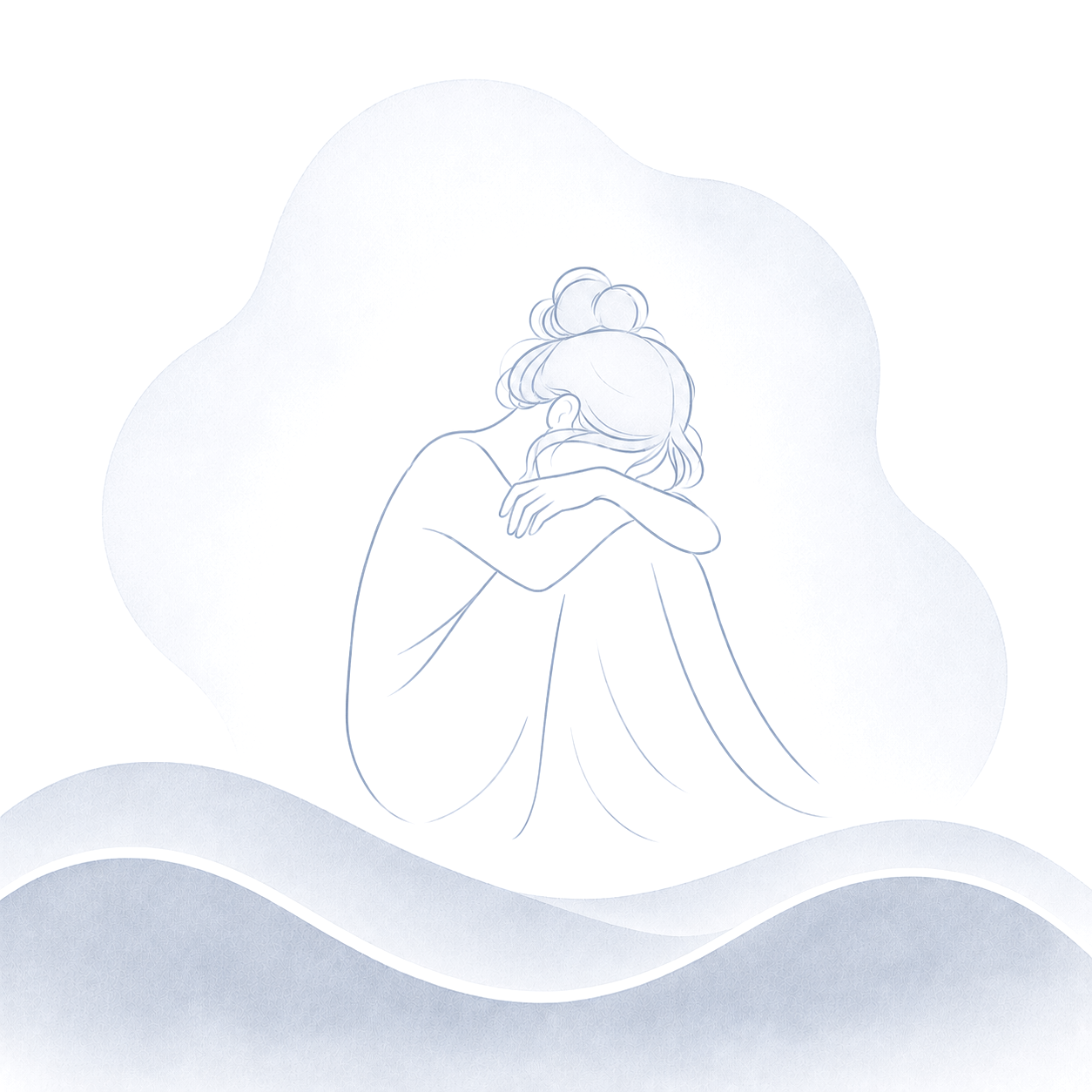
“Am I ever going to feel okay again?”
Grief can enter your life in many ways. Sometimes it follows the death of someone you love, but loss can also be the end of a relationship, a friendship that changed, a career you worked hard for, a home, your health, or a season of life you weren’t ready to leave behind. Sometimes you may grieve something you never actually had—a pregnancy, a hoped-for relationship, the family you imagined, or a future that once seemed certain.
And not every loss is recognized by the people around you. You may hear “It was probably for the best,” or “You can always try again,” when what you really need is permission to acknowledge that something important to you is gone.
Grief can hold seemingly opposite things at once. You can know that ending a relationship was right and still miss the person. You can be excited about a new chapter and mourn the one you're leaving. You can be grateful for what you have and still ache for what you hoped would be.
Grief rarely moves in a straight line. You may have days when life feels a little lighter, followed by days when the loss feels surprisingly close again. That doesn’t mean you’re going backward.
What you grieve is often a reflection of what you have loved, valued, hoped for, and imagined for your life.
Loss can feel like…
Feeling sad or tearful
Missing someone deeply
Feeling numb or disconnected
Trouble believing the loss is real
Feeling lonely, even around others
Anger or irritability
Feeling guilty or having regrets
Thinking about “what if” or “if only”

Trouble concentrating
Feeling mentally foggy or forgetful
Difficulty sleeping
Changes in appetite
Feeling exhausted or drained
Losing interest in things you usually enjoy
Avoiding people, places, or reminders
Wondering if you’ll ever feel like yourself again
Grief doesn’t always look like sadness.
Grief can show up in ways you may not expect. You might feel tearful one day and numb the next. You may have trouble concentrating, feel exhausted or irritable, struggle with sleep, or find yourself replaying what happened and wondering what you could have done differently. Sometimes grief feels like loneliness. Other times, it can feel like simply going through the motions while the rest of the world seems to have moved on.
You may also have moments when you laugh, enjoy something, or feel almost like yourself again—and then wonder whether you should. There is room for all of it.

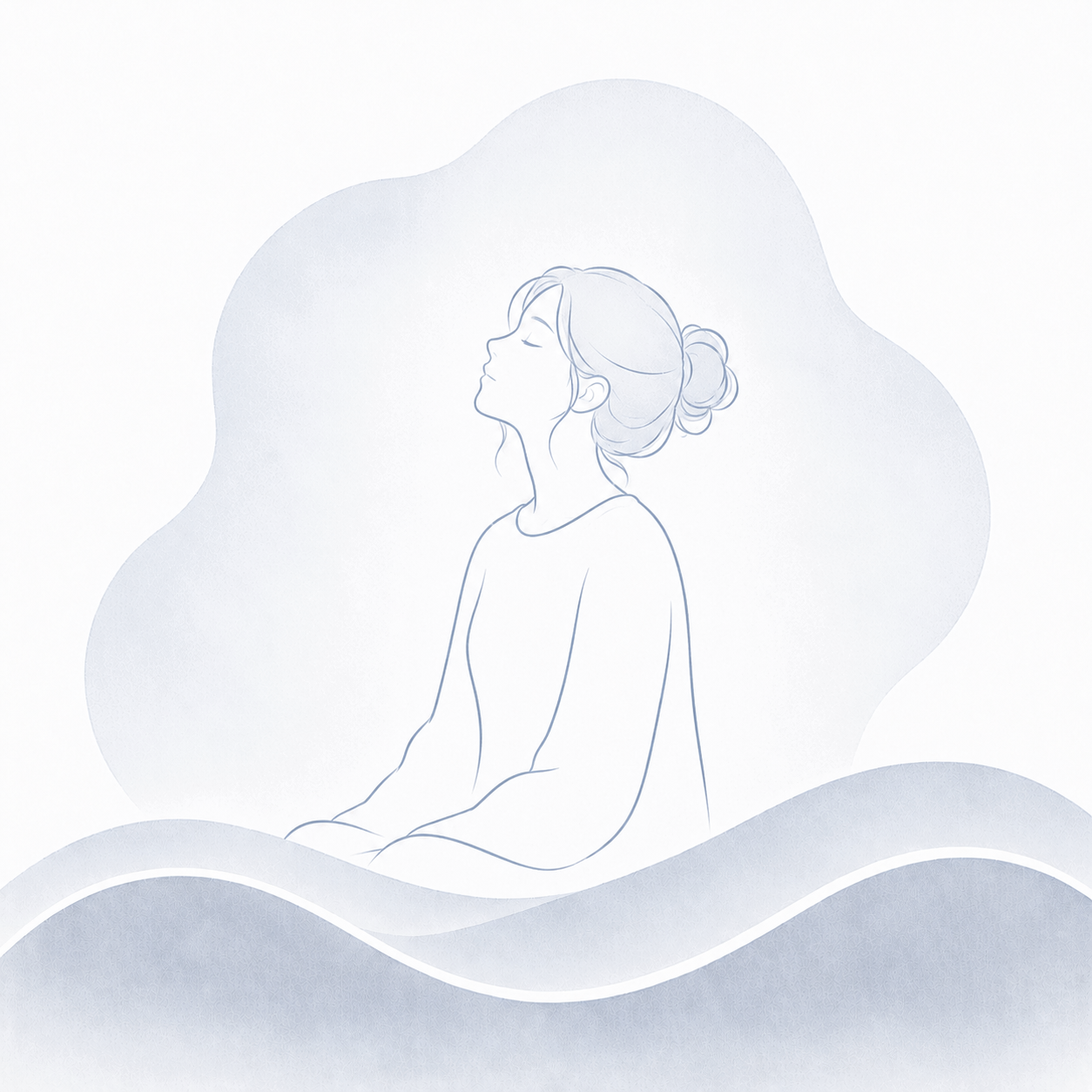
What therapy may look like for grief…
Therapy gives you a place to talk about your loss without worrying that you’ve talked about it too much, that you should be feeling differently, or that you should be “over it” by now.
Together, we can make room for what you’ve lost and what that loss has meant to you. We may talk about the sadness, anger, guilt, unanswered questions, or changes in relationships and identity that can come with grief. We can also explore how to stay connected to what mattered while beginning to make room for life as it is now.
Therapy isn’t about forgetting, letting go, or rushing you toward acceptance. It’s about helping you carry what has happened in a way that allows you to keep living, connecting, hoping, and moving forward.