

Therapy for Women Navigating Life Transitions in Garner, North Carolina

A woman’s life is filled with seasons of change. Relationships begin and end, children arrive and eventually need us differently, careers shift, and midlife can bring changes we never quite anticipated. Some transitions are chosen and exciting; others arrive unexpectedly and leave us trying to find our footing. And often, change brings a mixture of both—possibility alongside loss, excitement alongside uncertainty, and questions about who we are and what we want from the life ahead.
Life changes us. And sometimes it gives us the opportunity to decide what we want to carry forward - and what we're ready to leave behind.
Maybe one of these looks familiar…
starting a new career or ending one
moving to a new home, city, or someplace unfamiliar
beginning a new relationship or the loss of one
having a baby or expanding your family
children leaving home
the loss/change of a role or identity
health, menopause, or aging
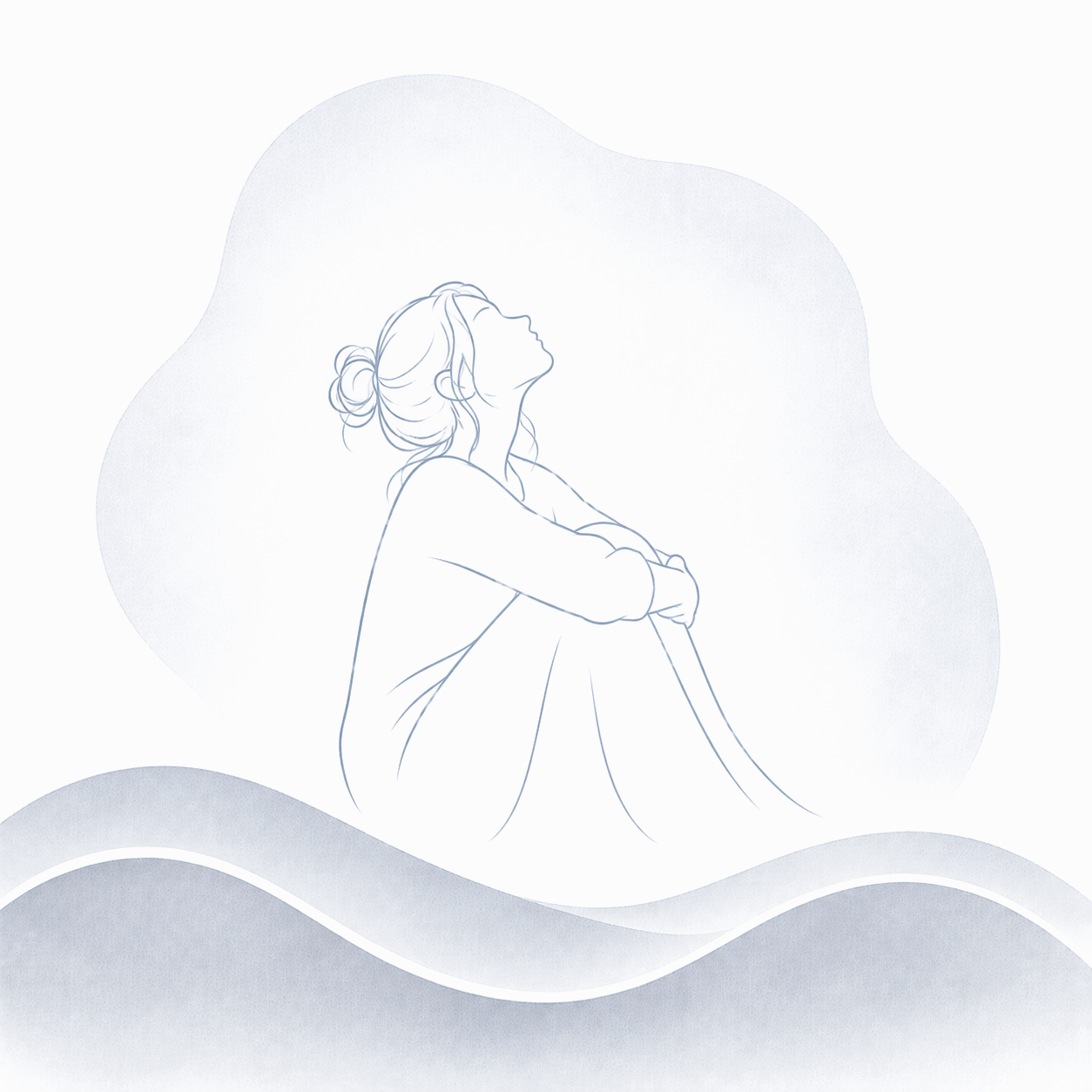
“I don’t really know who I am right now.”
Change can be complicated. Even when we know that change is part of life, we aren’t always prepared for the moment when life suddenly looks different than we expected. You may find yourself wondering, what happens now? Did I make the right decision? What if things don’t work out? Who am I if this part of my life is changing?
For women, change can touch many parts of life at once. A relationship may end, children may grow up and need you differently, your body may begin to feel unfamiliar, a career may change, or a future you once felt certain about may suddenly look very different. You may feel anxious about what comes next, sad about what you’re leaving behind, or afraid that you won’t feel like yourself again. There can be loneliness, uncertainty, anger, grief, or even guilt about wanting something different. And sometimes the most confusing part is experiencing seemingly opposite emotions at the same time—relief and sadness, excitement and fear, gratitude and loss.
Even positive changes can leave you feeling unsettled. You may know that you’re moving toward something good and still miss the life, relationship, role, or version of yourself that you’re leaving behind.
Change asks us to let go of something familiar before we always know what will take its place.
Does this sound like you?
Grief for the life, relationship, role, or future you expected
Loss of confidence or self-worth
Loneliness, even when surrounded by other people
Difficulty adjusting to a new role or stage of life
Feeling pulled between what others need and what you need
Exhaustion from trying to hold everything together
Feeling as though everyone else has moved on while you're still adjusting
Wondering, “Who am I now?” or “What do I want next?”
Feeling overwhelmed
Worrying about what comes next
Overthinking or second-guessing yourself
Feeling stuck or unsure what to do next
Having difficulty sleeping or quieting your mind
Irritability or feeling more emotional
Having trouble concentrating or staying focused
Feeling disconnected

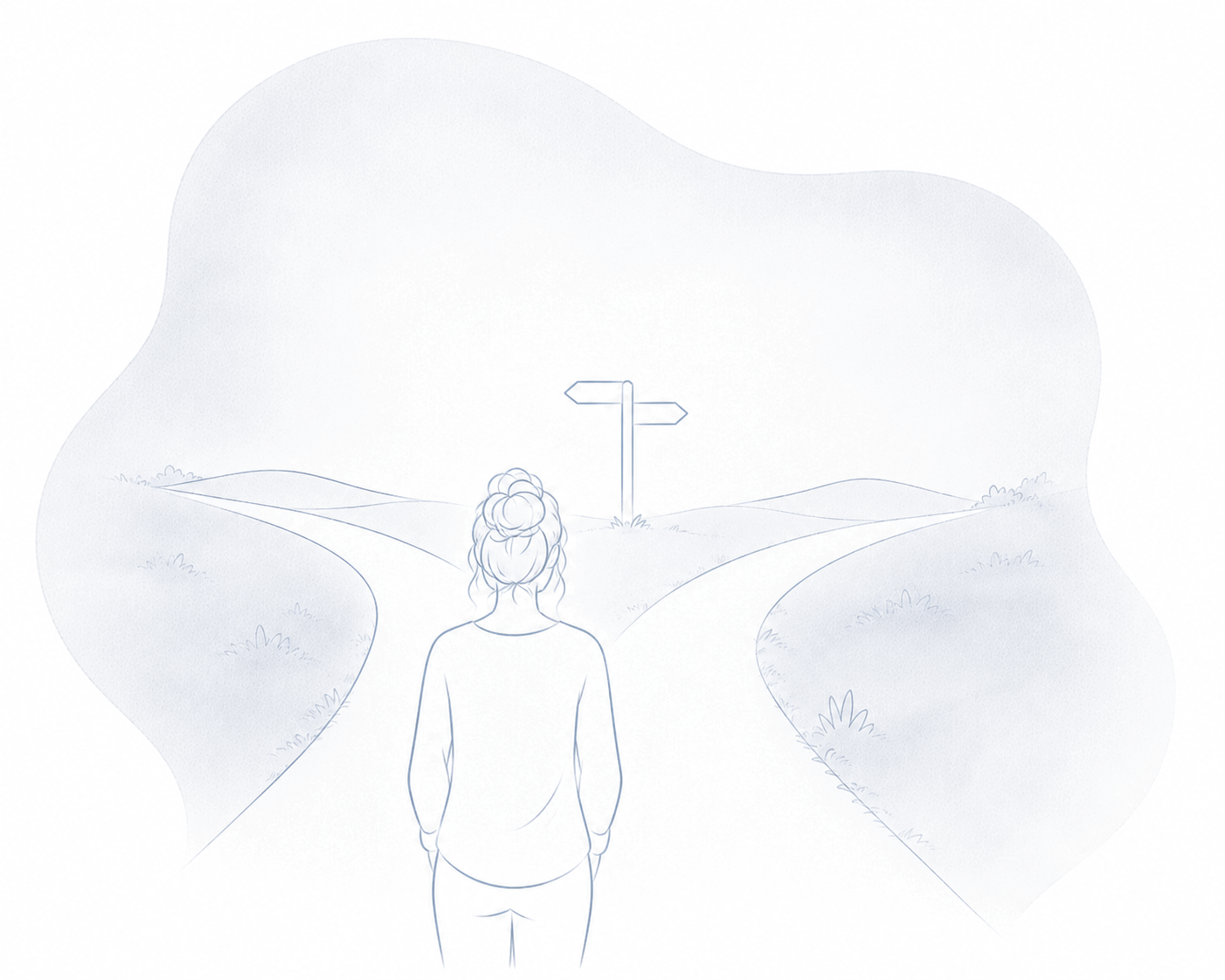
“I feel like I’m losing myself.”
Unexpected change can be especially unsettling when it changes not only your life, but the way you see yourself. You may have spent years knowing who you were within a relationship, a career, motherhood, your family, or simply the routines and roles that shaped your everyday life. When one of those things changes, you may find yourself wondering where you fit now.
There can be a strange sense of standing between two versions of yourself—the woman you were and the woman you are becoming. You may miss parts of yourself that once felt familiar or realize that you’ve spent so much time caring for others, meeting expectations, or simply getting through life that you’re no longer quite sure what you want.
You may wonder, who am I outside of this relationship? What does my life look like now that my children need me differently? What do I want at this stage of my life? Will I ever feel like myself again? Even changes you chose or wanted can leave you questioning parts of your identity you once took for granted.
Finding yourself again may not mean returning to who you were before—it may mean discovering who you are now.
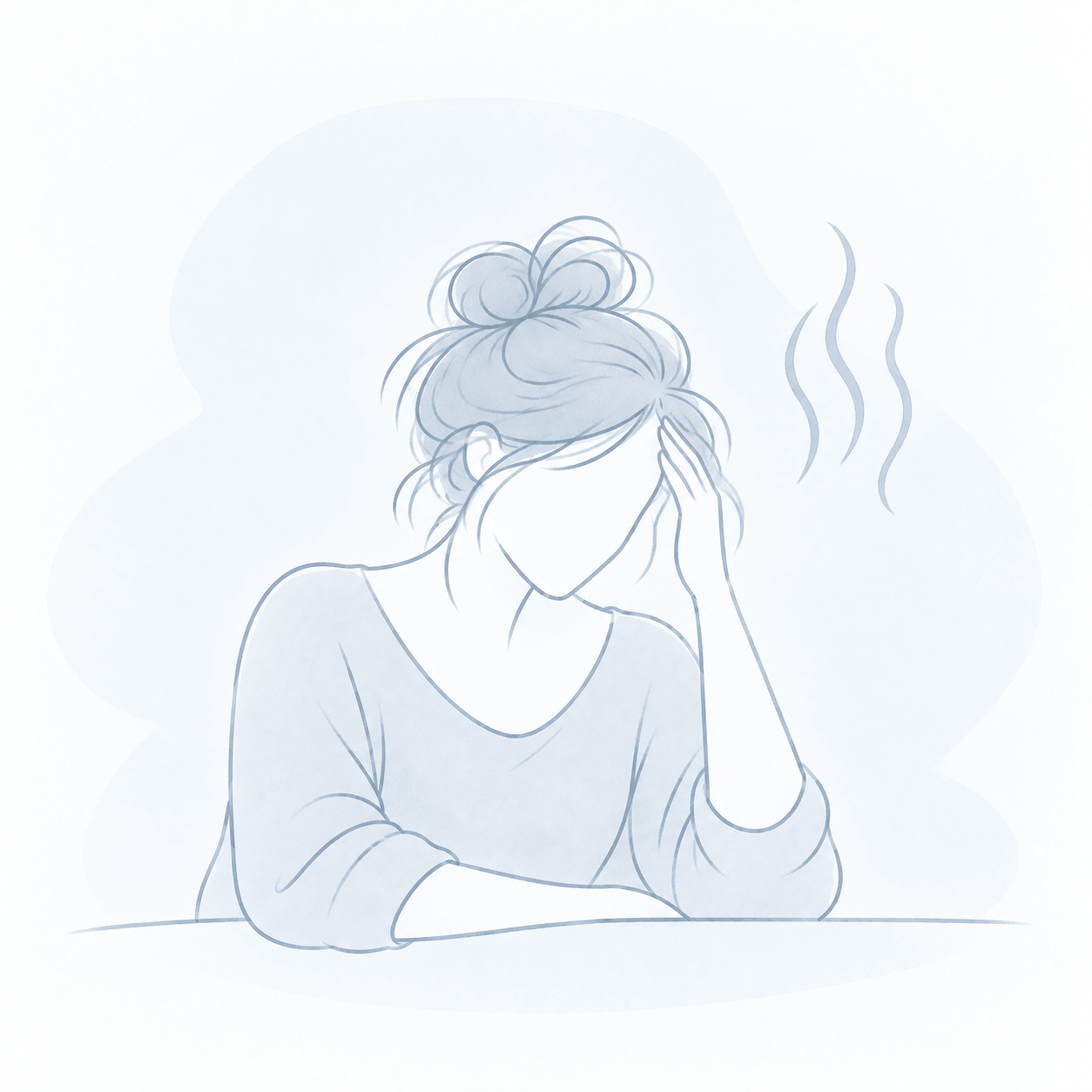
“Is this menopause — or am I just losing it?”
If you’ve found yourself wondering this, you’re certainly not alone. Menopause can bring changes that go far beyond hot flashes. Anxiety, irritability, disrupted sleep, difficulty concentrating, changes in your body, and a surprising loss of confidence can leave you wondering what happened to the woman who used to handle everything.
Menopause is about more than physical changes. It can happen alongside shifting relationships, aging parents, children leaving home, changes in work, and questions about who you are in this next part of your life. Therapy can give you a place to make sense of what’s changing without assuming that everything about you needs to be “fixed.”
There can be something really meaningful on the other side of this transition, too—a chance to understand yourself differently, reconsider what you want, and begin shaping the next season of your life around the woman you are becoming.
Therapy can offer a place to slow down in the middle of transition—to make sense of what has changed and begin discovering what you want the next chapter to look like.
What therapy may look like for change and transition…
Therapy can help you reconnect with yourself.
In therapy, we’ll begin by acknowledging what has changed and what you may have lost along the way. This might be a relationship, a familiar role, the future you imagined, or simply a sense of who you used to be. We’ll make room for those feelings while also beginning to look toward what comes next.
Together, we’ll explore you—your interests, values, strengths, relationships, and the parts of yourself you may have lost touch with over time. I’ll help you find your voice, identify what you want and need, and increase your confidence in making choices that feel right for you.
As you begin to examine who you are now (and who you want to be), we’ll work toward creating a stronger sense of identity and purpose moving forward. Change can be an amazing opportunity to discover new interests, consider new possibilities, and create a fresh start that feels more like the life you want to live.