

Therapy for Women Navigating Infertility and Postpartum Garner, NC

There are so many expectations wrapped up in becoming a mother - and sometimes the experience looks very different from the one you imagined.
Maybe getting pregnant has taken longer than you expected. Maybe there have been months of hoping, waiting, appointments, treatments, or loss. Pregnancy itself can bring a mix of excitement and worry, and sometimes birth doesn’t go the way you hoped. And then there is life after the baby arrives—a time everyone tells you should be joyful, but one that can also feel exhausting, lonely, overwhelming, or simply unfamiliar.
You may find yourself experiencing feelings that don’t seem to make sense. You can desperately want a baby and feel worn down by trying. You can be grateful for a pregnancy and still be afraid. You can love your baby deeply and miss the person you were before becoming a mother. There is room for all of it.
Therapy can give you a place to be honest about this season—the parts you love, the parts that hurt, and everything in between.

When getting pregnant doesn’t happen the way you expected, it can begin to take up more and more space in your life. You often feel consumed with the idea of becoming pregnant… and why it’s not happening to you. Your friends are all expecting, you’re attending baby showers, and people keep asking “what about you?” The waiting, the negative tests, the appointments, and the constant cycle of both hope and disappointment. All of this can lead to feelings of self-doubt and even despair. Sometimes it can strain relationships… with partners, with friends, with family. You may find that you’re comparing yourself to others, avoiding events, or feeling guilty about emotions you didn’t expect to have. Even people who love you may not fully understand. And well-meaning people often try to help in ways that don’t feel helpful.
“It’s the most natural thing in the world… so why isn’t it happening for me?”

What therapy may look like for infertility…
Therapy can help you make space for you during an uncertain and challenging journey.
In therapy, we can work together to make space for the emotions that come with infertility, while finding ways to manage the anxiety, uncertainty, disappointments, and sense of loss that can accompany it. We may work on coping with difficult appointments and decisions, navigating relationships, and finding ways to stay connected to yourself when thoughts of becoming pregnant begin to feel overwhelming.
We can also talk about the things that may be harder to say out loud—the frustration of watching others become pregnant, the pressure to stay hopeful, feeling disconnected from your body, or simply being tired of thinking and talking about fertility. Therapy can give you a place where you don’t have to protect anyone else from how you’re feeling or pretend to be okay when you’re not.
Most importantly, we can work on helping infertility become something you are going through, rather than something that begins to define who you are.
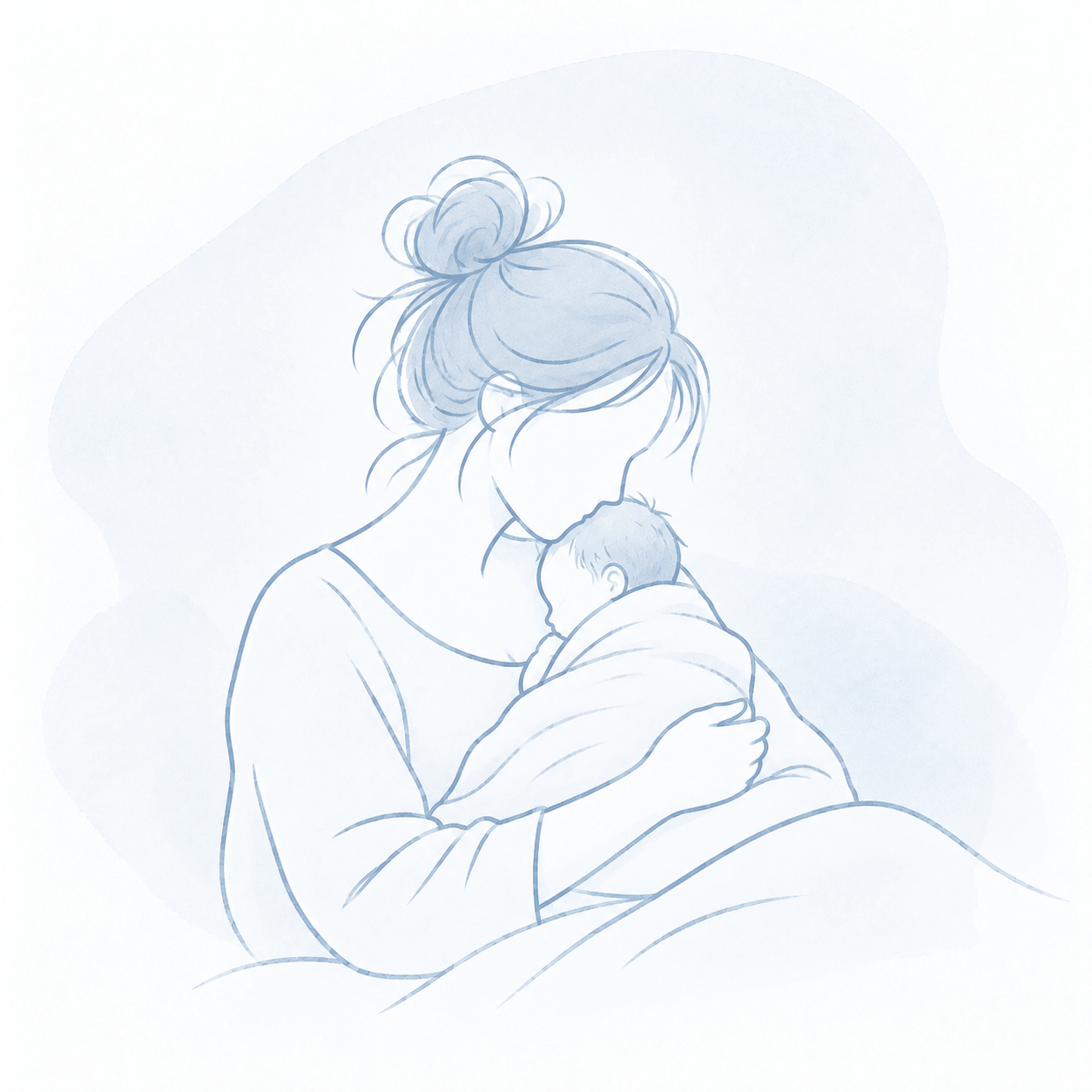
“Why doesnt’ this feel the way I thought it would?”
You love your baby. And still, you may find yourself wondering why you don’t quite feel like yourself. You might be more anxious than you expected, overwhelmed by decisions that once seemed simple, or unable to quiet your mind even when the baby is finally sleeping. You may feel lonely while rarely being alone, touched-out and exhausted, or guilty for wanting a little space from a life you wanted so much.
The postpartum period can bring enormous change—not only to your body and your daily life, but to your relationships, confidence, and sense of who you are. You may miss parts of your old life and then feel guilty for missing them. You might question whether you’re doing enough, worry constantly about your baby, feel disconnected from your partner, or wonder when you’ll feel like you again.
Therapy can give you a place where you don’t have to pretend that everything is wonderful simply because you’re grateful.
There is room for both: loving this new little person deeply and finding this season incredibly hard.
Some of these might feel familiar after the birth of your baby…
Feeling sad or crying more than usual
Feeling overwhelmed by even small things
Worrying constantly about your baby
Feeling anxious or on edge
Not being able to relax
Feeling irritable or angry
Feeling guilty or like you’re not doing enough
Questioning whether you’re a “good mom”
Feeling disconnected from your baby
Feeling unlike yourself

Missing your life before the baby
Feeling lonely or isolated
Having trouble sleeping even when you have the chance
Feeling exhausted beyond normal tiredness
Difficulty concentrating or making decisions
Feeling disconnected from your partner
Not enjoying things you normally would
Feeling like everyone else is handling motherhood better
Having scary or unwanted thoughts
Wondering, “When am I going to feel like myself again?”

Motherhood can be beautiful and still feel really hard. Struggling during this season doesn’t take away from the love you have for your baby. Sometimes you simply need a place where you can be honest about how you’re feeling, feel supported, and begin finding your way back to yourself.
Garner, North Carolina and throughout New York
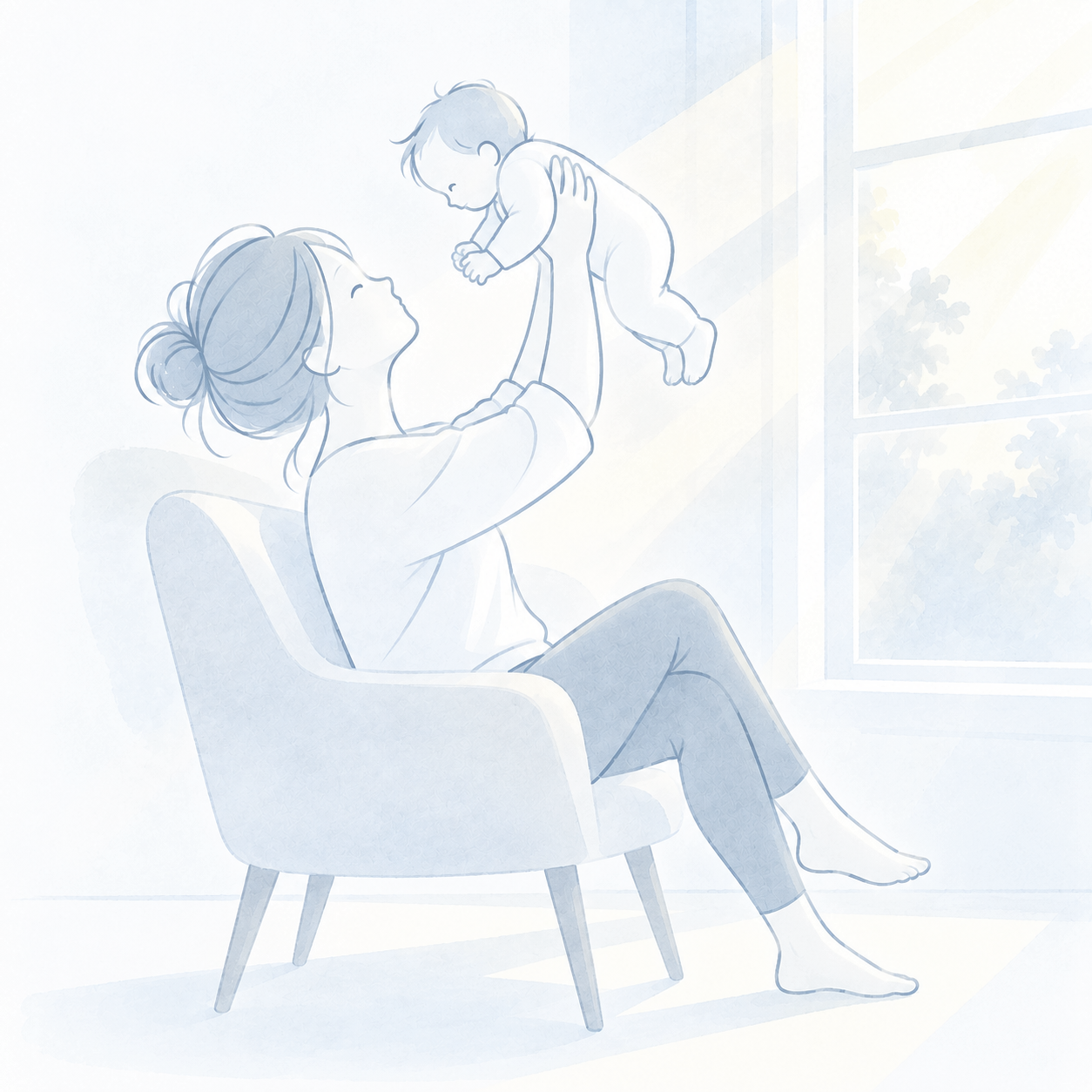
What therapy may look like for post partum…
Therapy during the postpartum period can be a place to talk openly about the parts of motherhood that can be difficult to say out loud. Together, we might explore anxiety and worry, changes in your relationship, shifts in identity, guilt, loneliness, irritability, or the pressure you feel to be doing everything “right.”
Our work can also be practical. We can look at ways to manage overwhelming thoughts, make room for your own needs, communicate more openly with your partner or family, and adjust expectations during a season when so much has changed. Sometimes therapy is about developing new tools; other times, it’s simply having a place where you get to be cared for, too.
The goal isn’t to help you become a “better” mother. It’s to help you feel more grounded and confident in yourself while finding your way through this new chapter of your life.