
Infertility and Pregnancy Loss Therapy for Women Raleigh, NC and New York

There are so many expectations wrapped up in becoming a mother - and sometimes the experience looks very different from the one you imagined.
Maybe getting pregnant has taken longer than you expected. Maybe there have been months of hoping, waiting, appointments, treatments, or loss. But when pregnancy doesn't happen as hoped, or a pregnancy ends in loss, those dreams can give way to heartbreak, uncertainty, and grief.
Infertility and pregnancy loss can affect so many parts of a woman's life, including her relationships, emotional well-being, and sense of self. You may find yourself moving between hope and disappointment, struggling with feelings that others don't always understand.
Whether you're navigating fertility treatments, grieving a miscarriage or pregnancy loss, or facing uncertainty about the future, you deserve a place where your experiences are heard and your feelings are understood.
Therapy can give you a place to be honest about this season—the parts you love, the parts that hurt, and everything in between.
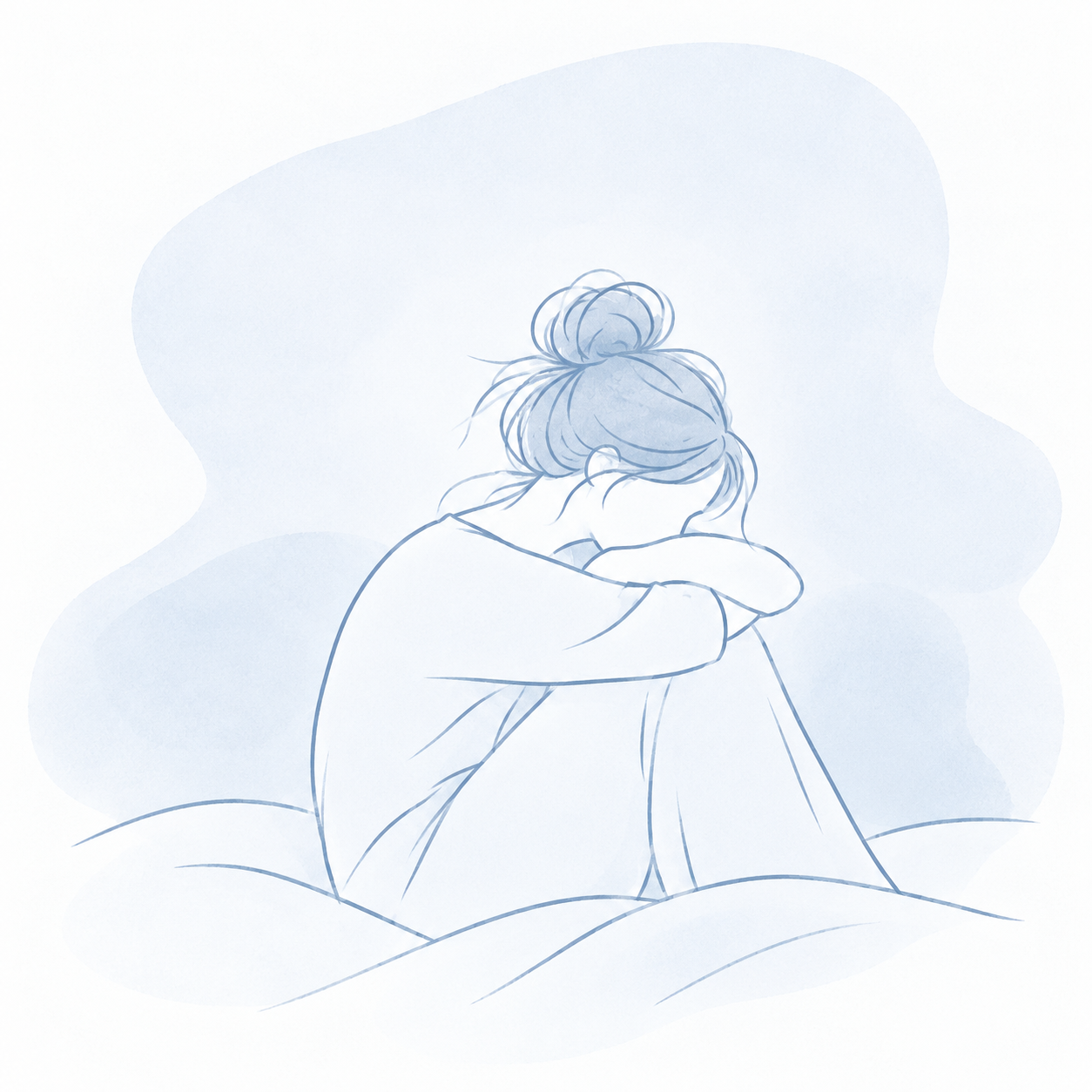
When getting pregnant doesn’t happen the way you expected, it can begin to take up more and more space in your life. You often feel consumed with the idea of becoming pregnant… and why it’s not happening to you. Your friends are all expecting, you’re attending baby showers, and people keep asking “what about you?” The waiting, the negative tests, the appointments, and the constant cycle of both hope and disappointment. All of this can lead to feelings of self-doubt and even despair. Even people who love you may not fully understand. And well-meaning people often try to help in ways that don’t feel helpful.
“It’s the most natural thing in the world… so why isn’t it happening for me?”
Therapy offers a place where you can speak freely about what you're going through, feel understood, and find ways to manage the emotional ups and downs of infertility.
You don't have to feel hopeful every day, and you don't have to put your happiness on hold while you're waiting for something you want so deeply.
These may sound familiar…
Feeling sadness, grief, or a sense of loss
Anxiety about the future or what comes next
Feeling overwhelmed by fertility treatments or medical decisions
Frustration or anger when things don't go as hoped
Feeling disconnected from your body or losing confidence in yourself
Guilt, shame, or wondering if you've done something wrong
Feeling isolated or misunderstood by others
Difficulty being around pregnant women or young children
Finding pregnancy announcements or baby showers painful

Feeling jealous of others and then guilty about those feelings
Strain or distance in your relationship with your partner
Withdrawing from friends or family
Difficulty concentrating or sleeping
Feeling emotionally exhausted by cycles of hope and disappointment
Fear of experiencing another pregnancy loss
Questioning your identity or the future you imagined
Feeling pressure to stay positive when you're hurting
Feeling as though your life is on hold
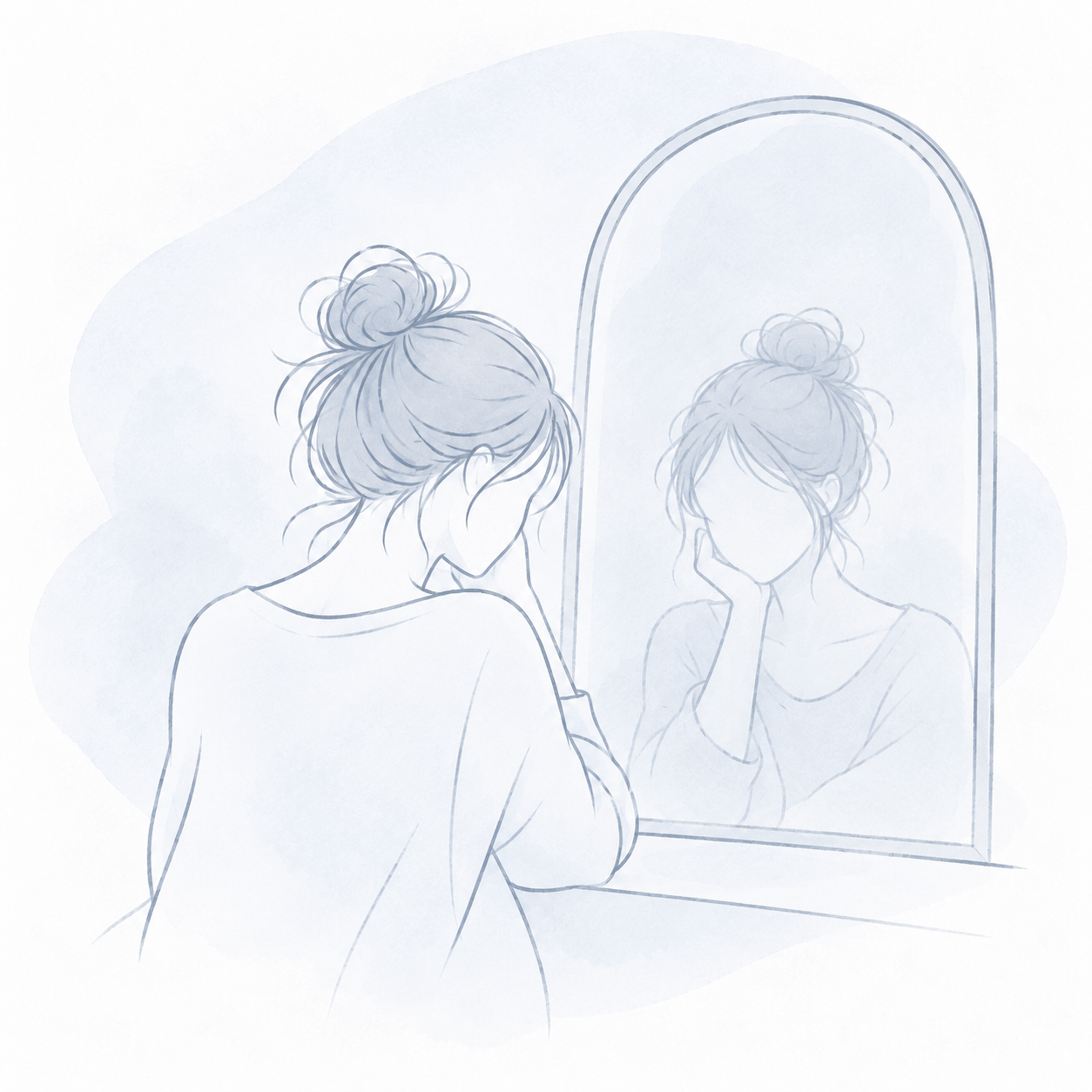
“Why am I beginning to feel like I’ve lost myself?”
When you're hoping to become pregnant, it's difficult to imagine just how much of your life that hope can begin to occupy. What may have started with excitement and anticipation can gradually become filled with disappointment, uncertainty, and questions you never expected to ask yourself.
Infertility can begin to change the way you see yourself. You may question your body, your confidence, or the future you always imagined. Relationships and friendships may feel different, and activities you once enjoyed can become painful reminders of what you're longing for. Somewhere along the way, you may begin to feel as though infertility has become your entire identity, rather than one part of your life.
Therapy can offer a place to talk openly about these feelings without having to explain, minimize, or justify them.
You are so much more than your ability to become pregnant, and infertility does not have to define who you are.

“Why do I feel so alone when we're supposed to be going through this together?”
Infertility can affect relationships in ways you may never have anticipated. You and your partner may share the same hopes for the future but experience the disappointment and uncertainty very differently. One of you may want to talk about every setback, while the other prefers to stay positive or focus on what comes next. Even when you love and support each other, it can sometimes feel as though you're facing this experience alone.
Relationships with friends and family can become complicated, too. Pregnancy announcements, baby showers, and well-meaning questions may bring up feelings you'd rather not have. You might find yourself withdrawing from people you love or feeling guilty for not being able to share in their happiness the way you once did.
Therapy can offer a place to explore how infertility is affecting your relationships and help you feel more connected to the people who matter most.
You can love the people in your life and still find certain moments with them difficult. There's room for both.

What therapy may look like for infertility…
In therapy, we can work together to make space for the emotions that come with infertility, while finding ways to manage the anxiety, uncertainty, disappointments, and sense of loss that can accompany it. We may work on coping with difficult appointments and decisions, navigating relationships, and finding ways to stay connected to yourself when thoughts of becoming pregnant begin to feel overwhelming.
We can also talk about the things that may be harder to say out loud—the frustration of watching others become pregnant, the pressure to stay hopeful, feeling disconnected from your body, or simply being tired of thinking and talking about fertility. Therapy can give you a place where you don’t have to protect anyone else from how you’re feeling or pretend to be okay when you’re not.
Most importantly, we can work on helping infertility become something you are going through, rather than something that begins to define who you are.
Therapy can help you make space for you during an uncertain and challenging journey.
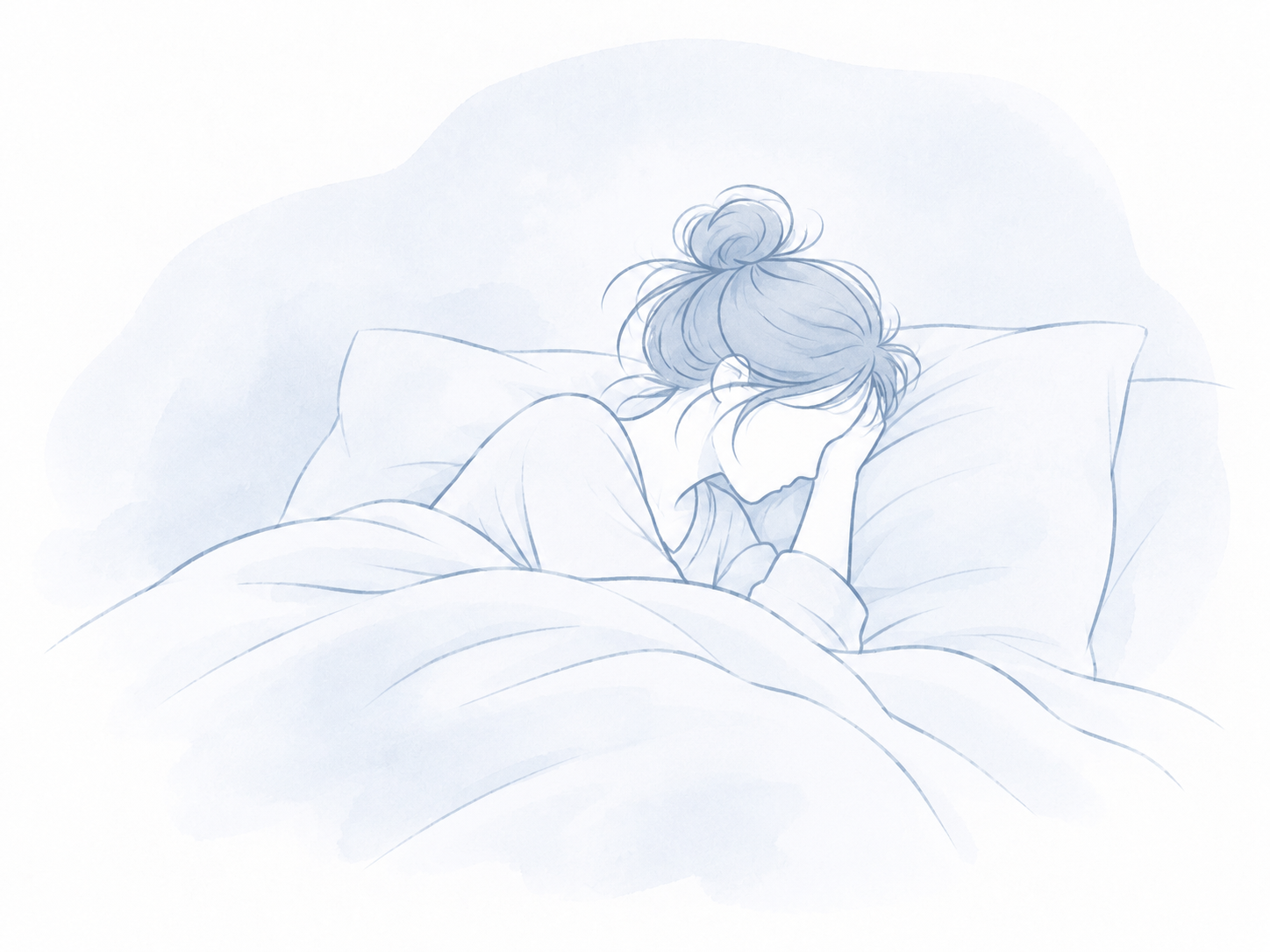
“How do I begin to feel like myself again after losing something that meant so much to me?”
Pregnancy loss can bring a kind of grief that's difficult to put into words. You may find yourself mourning not only the pregnancy, but the future you had already begun to imagine. Feelings of sadness, anger, guilt, or disbelief can be overwhelming, especially when others don't fully understand your loss.
Life around you may seem to move forward while you're still struggling with what happened. Unexpected reminders can bring the sadness rushing back, and even relationships with those closest to you may begin to feel different.
Therapy offers a place to talk openly about your loss, feel understood, and begin finding your way through grief at your own pace.

There is no right or wrong way to grieve a pregnancy loss, and therapy isn't about trying to make the sadness disappear or encouraging you to move on before you're ready. It's about having a place where you can talk openly about your experience, even when it's difficult to find the words.
Together, we can explore the feelings that come with your loss, including those that may be affecting your relationships or your confidence in yourself. We can also work through worries about the future, particularly if you're considering another pregnancy and finding it difficult to feel hopeful again.
My hope is to help you find a way to carry your loss that feels less overwhelming, while gradually making room for peace, connection, and happiness again.
Healing doesn't mean forgetting. It means learning that your loss can remain meaningful without sadness defining every day ahead.
What Might Therapy Look Like After Pregnancy Loss?